
Reflecting on What Matters: Housing Affordability
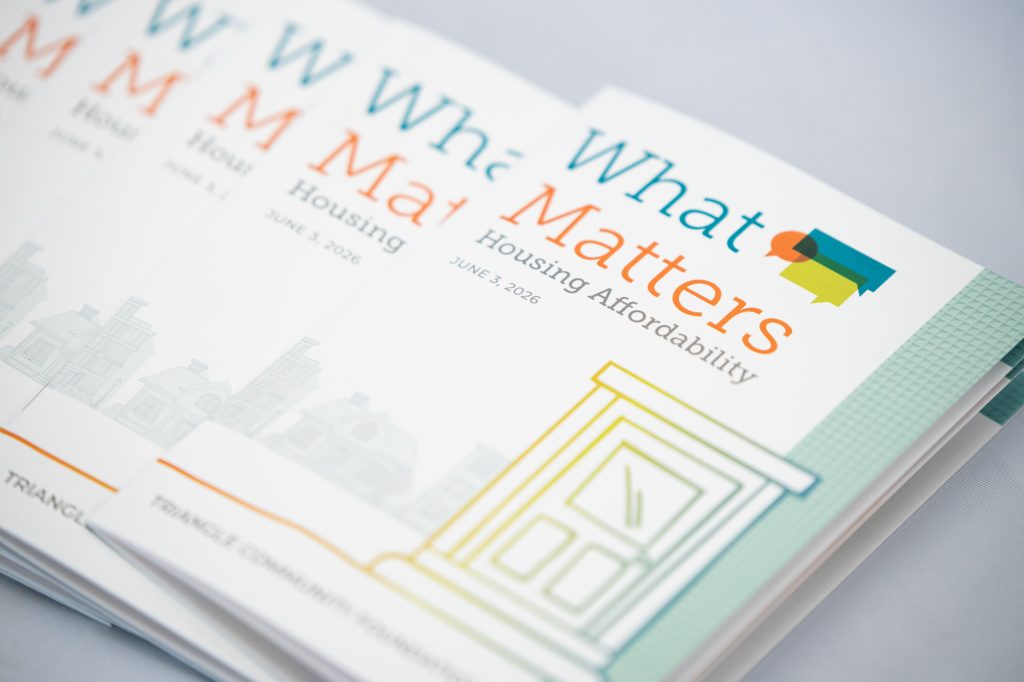
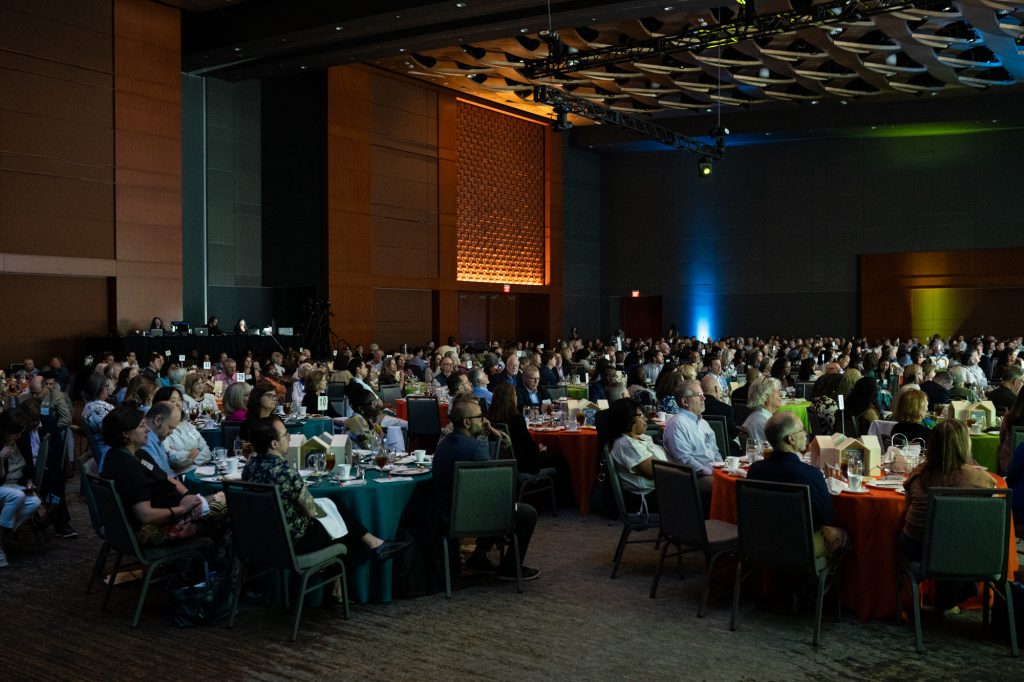
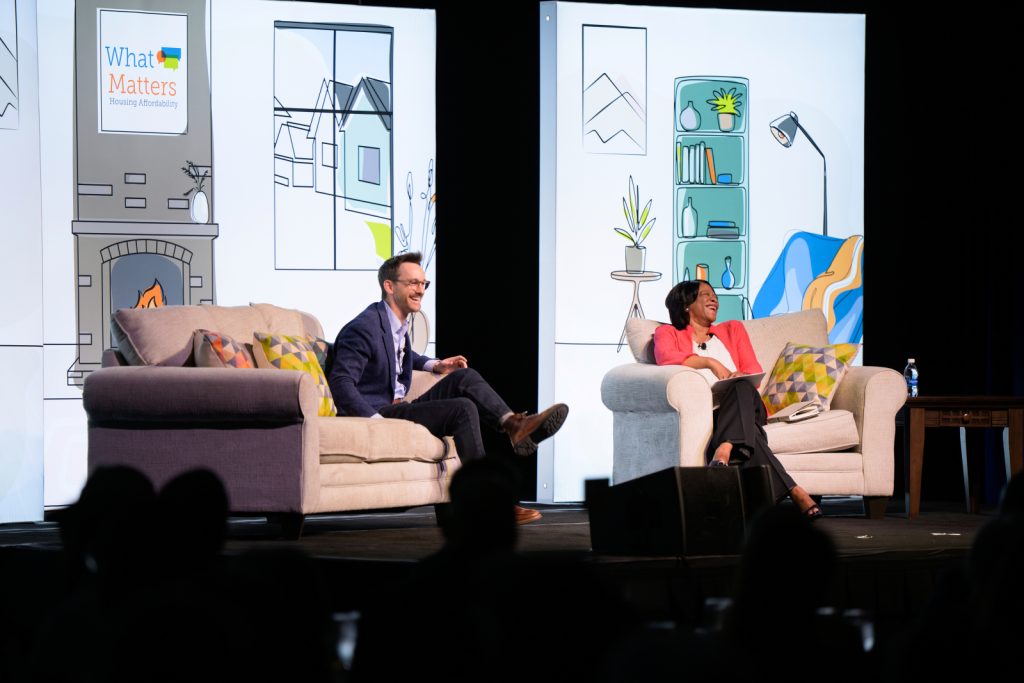
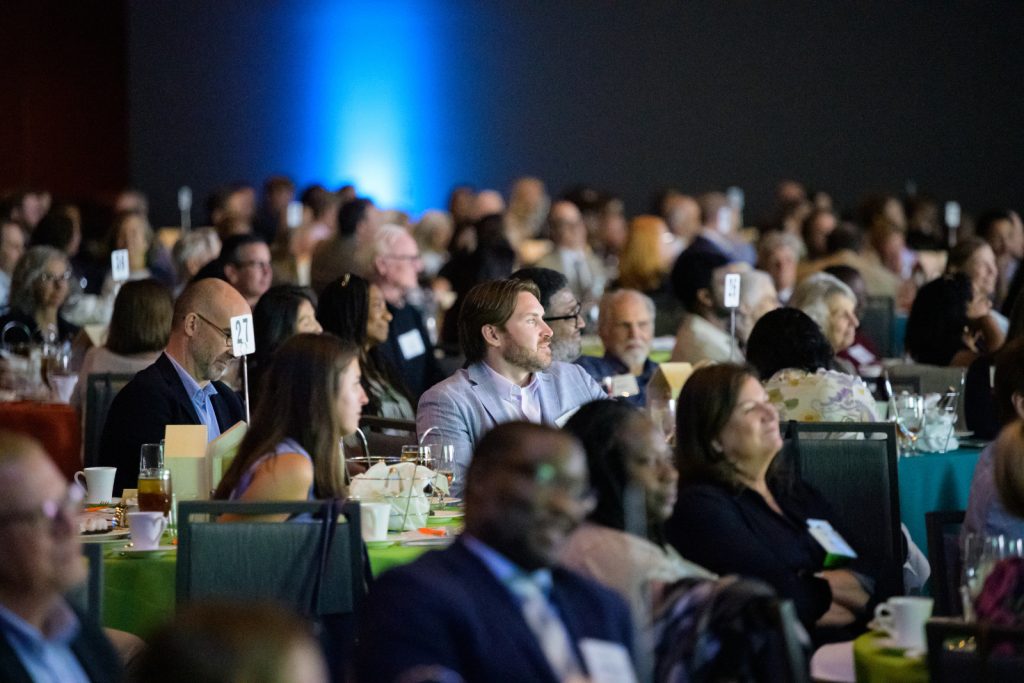
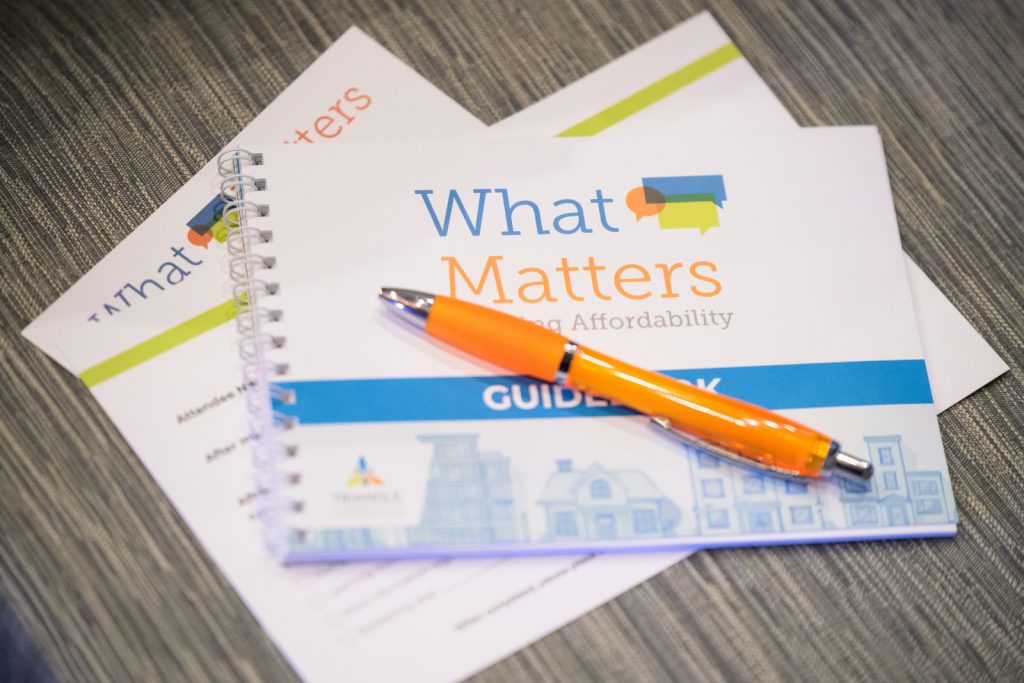
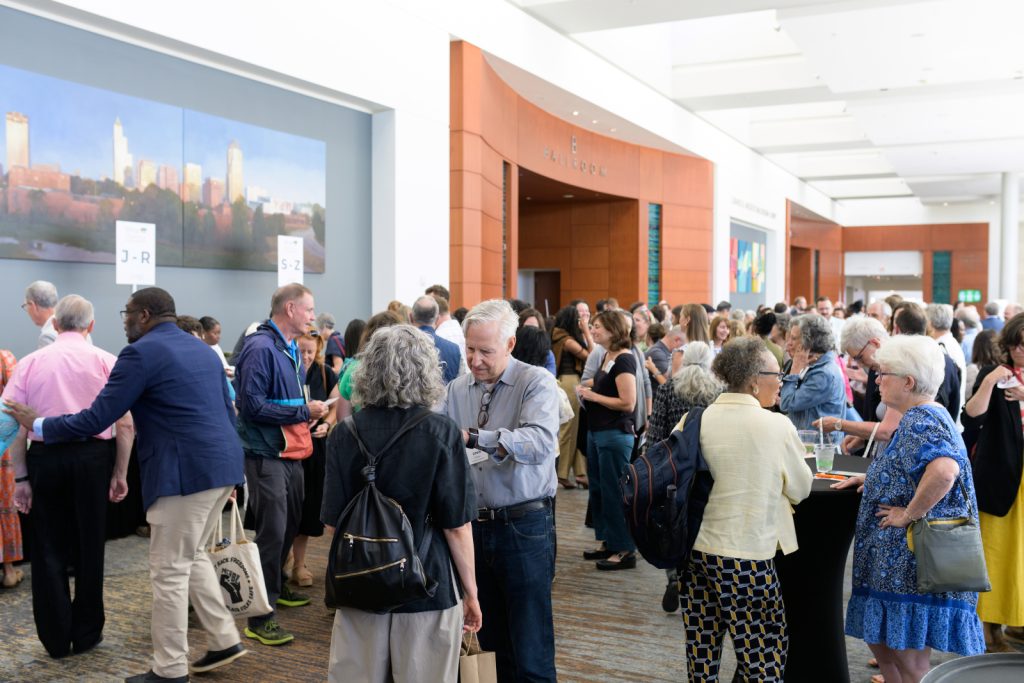
On June 3rd Triangle Community Foundation hosted almost 500 people at the Raleigh Convention Center for What Matters, our signature philanthropic gathering. While this was the tenth time hosting this event, it was the first since the pandemic, and our first focused on housing affordability.
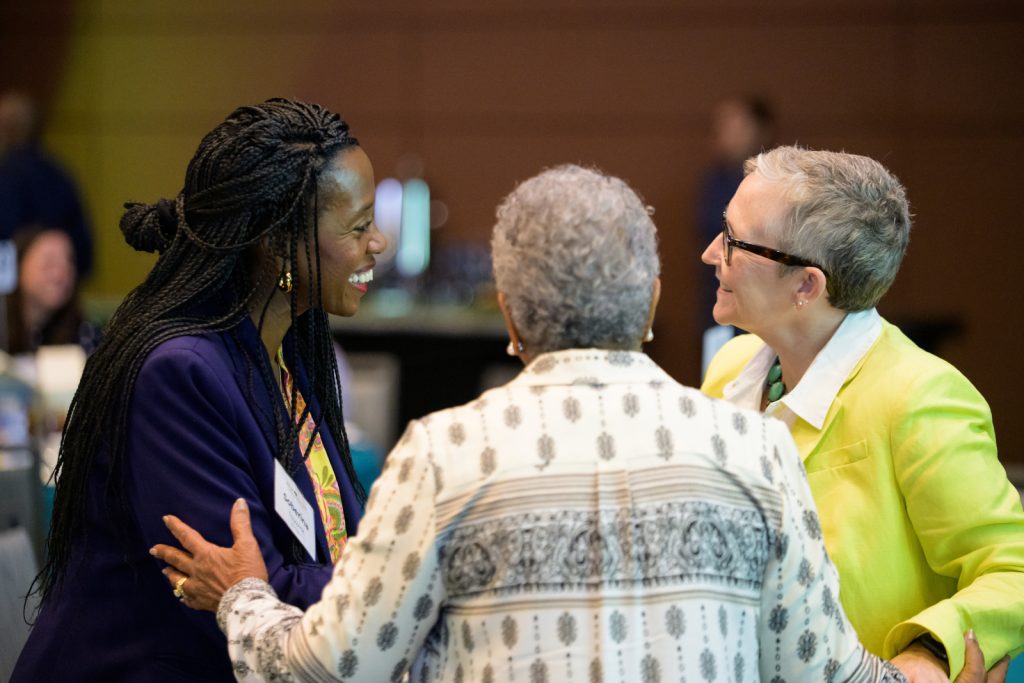
It was inspiring to see so many people come together specifically in search of solutions to the challenging issue of housing affordability in our region, with leaders from the corporate, philanthropic, government, academic, religious, and nonprofit sectors providing their expertise and perspective.
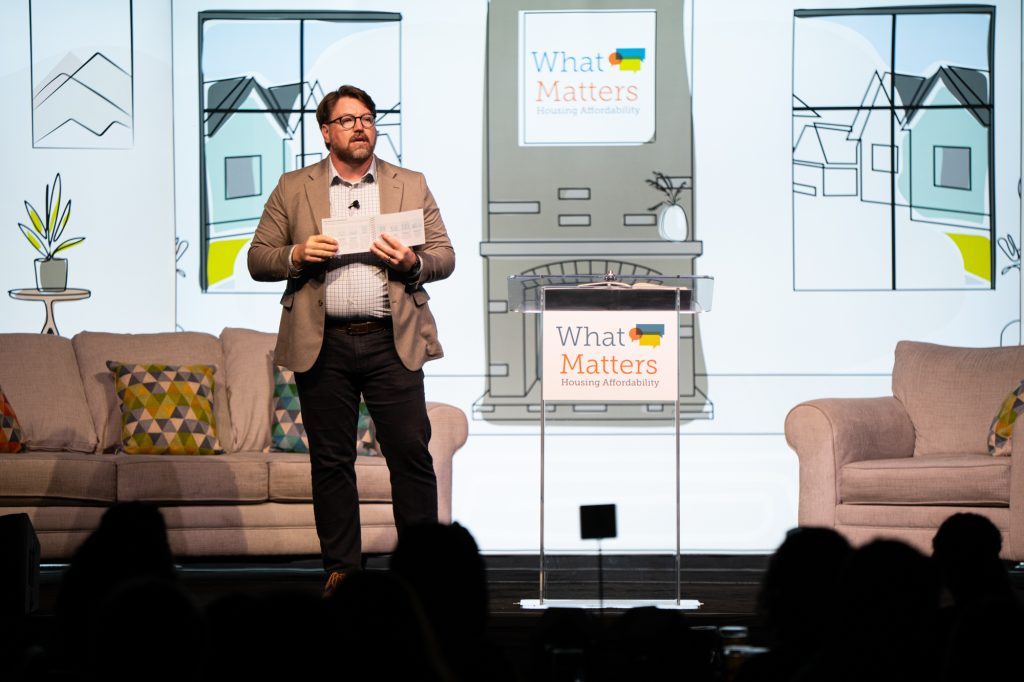
The luncheon began with welcome remarks from the Foundation's Board Chair, Dr. Rebecca Balter, and transitioned to President & CEO Lori O'Keefe. Lori grounded the program with the reality that community-wide problems like housing affordability need community-wide solutions, which was why the Foundation had purposefully gathered such a diverse group of stakeholders together.
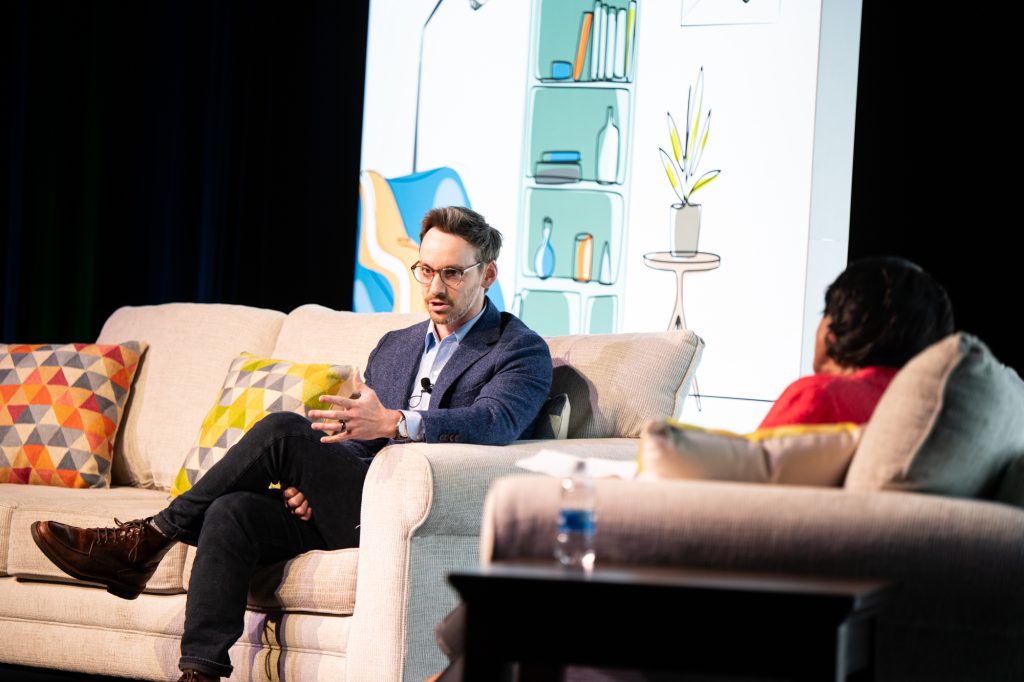
Keynote speaker Derek Thompson, the #1 New York Times bestselling co-author of Abundance, addressed the concept of housing scarcity and the path that led us here. Anita R. Brown-Graham, distinguished Professor of Public Law & Government at the UNC School of Government, engaged Derek on the concepts laid out in the book and a more national perspective on housing challenges. Following their discussion, Samuel Gunter, Executive Director of the North Carolina Housing Coalition, "brought it home," sharing a snapshot of the local housing situation.
“Growth is Good. Change is Hard. Both are True.”
Derek shared insights into the common story line across communities and how housing affordability grew into such a widespread issue. Zoning rules put in place 50 years ago made it difficult to add housing in places where there was demand. With the housing crash almost 20 years ago, the construction industry experienced a collapse, creating a supply problem. And just six years ago, COVID upended just about every system, housing among them. Derek maintained that this compounding effect has left communities with a growing housing gap and barriers to affordability, such as minimum lot sizes that are so large many people can’t afford to buy a starter home. He explained that while people may root for growth as a positive force (when was the last time a company bringing new jobs to a region wasn't celebrated?), when it comes to housing, people can often be divided, because “we are creatures of familiarity. People don’t like stasis and decline, but growth can come with mixed emotions and support.”
Factors Affecting North Carolina’s Housing Market
Samuel shared that some of us are “living in the past,” and a community sense of what is possible in the future can be dimmed by the experience of the past. From 1975 to 2025 the population of the state more than doubled, and in the Triangle increased by over 260%, according to US Census Bureau data. A region cannot absorb that kind of growth without evolutionary change. He explained the “Four S” framework that he believes is critical to North Carolina overcoming this challenge:
- Systems: We must attend to the current systems in place locally to ensure they are appropriate for the community now.
- Stability: Amid growth and change, we must ensure we aren’t leaving people behind who already live here. That means individuals should not be paying more than 30 percent of their income on housing.
- Subsidy: Funding from the federal government is an important part of the solution.
- Supply: It’s hard to re-home people when there’s no housing to be had. Hurricane Helene removed 70,000 homes, adding strain to an already existing gap in North Carolina.
The Triangle Impact Fund Takes Steps to Close the Gap
At the conclusion of the event, the Foundation announced the launch of the Triangle Impact Fund, a philanthropic investment tool that will provide low-cost capital to advance housing affordability in Chatham, Durham, Orange, and Wake counties. The fund is an impact investing tool that provides a different structure and avenues for funding than traditional grants and prioritizes a measurable social benefit in addition to a financial return. It aligns with the Foundation’s three housing affordability pillars - to increase low-income housing, support low-income homeowners, and secure land for affordable housing. The Foundation is seeding the fund with $1 million of our own assets and has commitments totaling over $7 million toward the initial fundraising goal of $10 million.
Following the announcement of the Fund, Foundation Board Vice-Chair Crystal German closed the event by asking folks to act based on what they experienced at What Matters: "If each of us in this room takes even the smallest action, collectively those actions are sure to have a ripple effect. Our goal is to catalyze impact with our $10 million. But our real target is the peace of mind, the stability, and the dignity that only a door with a key can provide."
Ready to Take Action?
- Explore our new interactive housing tool, which links to local nonprofits working in each category of the housing continuum, profiles neighbors supported by housing efforts in our region, and shares regional and county housing data.
- Learn more about and get involved with the Triangle Impact Fund.
- Donate to Fund for the Triangle – Housing Affordability.