Our Housing Affordability Journey
Written by Zach Ward, Senior Program Officer, and Laurel Shulman, Business Operations Manager
Safe, stable, affordable housing is the foundation upon which everything else is built.
In our latest strategic plan, Triangle Community Foundation heard a desire from our stakeholders to be bold and take a stand on key issues. We identified the Triangle’s housing affordability crisis as urgent and well-suited to our priorities in Philanthropic Investment, Nonprofit Support, and Community Leadership. As our region continues to grow, the Foundation remains steadfast in our mission to ensure that everyone in the Triangle has a place to call home in a neighborhood that is safe and close to where they work, go to school, or find community. Our work in housing affordability is driven by a simple, powerful belief: we are better together. By bridging the gaps between funders, nonprofit leaders, municipal staff, elected officials, developers, and other engaged community members, we are creating a more equitable future for our region.
Where We Started

Regional Housing Convening, May 2025
As a community foundation, we began our housing journey in the Fall of 2024 by reaffirming our belief in the power of relationships and conversations, and acknowledging that real change happens when diverse voices join to problem-solve. We are not housing experts, so we partnered with Balance Community Advisors, a trusted team of local experts, to help us fully comprehend the actual state of housing in the Triangle.
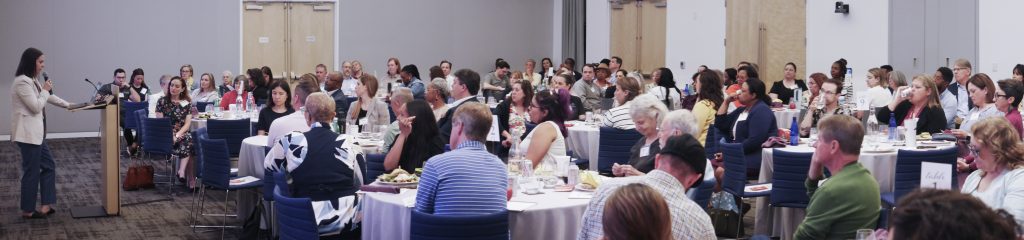
We hosted convenings in each of the four counties we serve (Orange, Chatham, Durham, & Wake) followed by a regional convening hosted in Research Triangle Park to share some of the general themes we heard from these gatherings. In the 18 months we have been immersed in this housing work, Triangle Community Foundation has engaged over 450 stakeholders from across the Triangle through our ongoing convenings. From elected officials and developers to nonprofit leaders and residents, these sessions were (and continue to be) critical for understanding local needs, identifying regional gaps, and aligning our strategies.
For our fundholders, Foundation staff created a learning community focused on housing affordability. Over a four-month period, participating fundholders heard contemporary data and analysis from academics, participated in a book club, and engaged in site visits to a variety of housing nonprofits across our region. This learning community model educated local philanthropists in the depth and breadth of this issue across the Triangle and the need to invest meaningfully to address such a complex issue.
What We’ve Learned
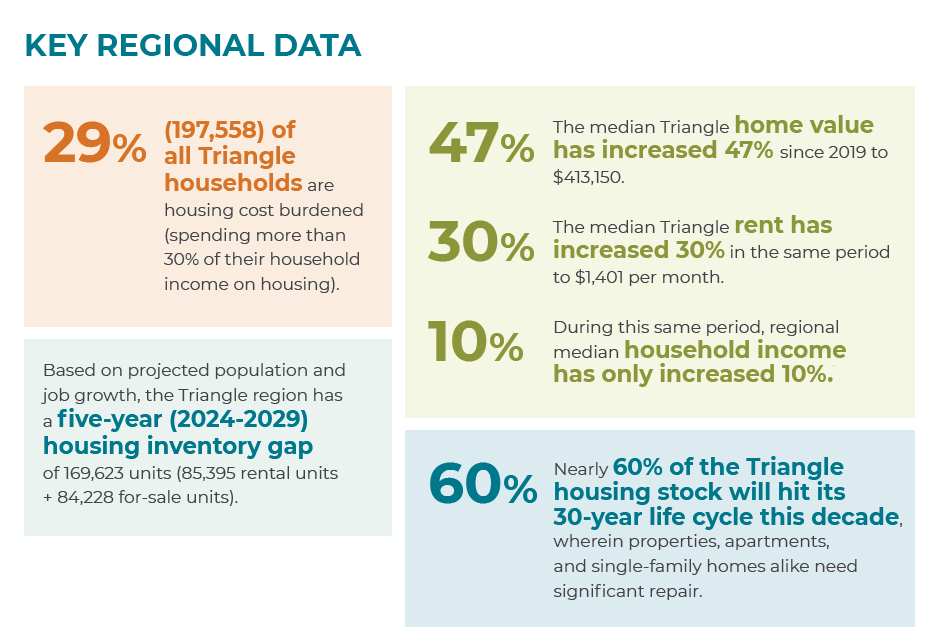
Sources: Triangle Community Foundation's 2025 Regional Data Snapshot and State of North Carolina's Housing Supply Gap Analysis.
Where We’re Focusing
This issue is so complex and capital-intensive that we knew it was necessary to focus on what was (1) in alignment with community needs, (2) in alignment with fundholder interests, and (3) was complementary to the expertise and funding focus of peer funders throughout the Triangle. With all this in mind, we chose the following three pillars to ground our housing affordability investments moving forward:
- Increase Low-Income Rental Housing
-
- Increase the number of low-income rental units on the market serving households at 80% Area Median Income (AMI) and below, primarily through preservation of existing rental housing and other identified strategies.
- Support Low-Income Homeowners
-
- Stabilize and prevent displacement of homeowners making 80% AMI and below who bought their homes before January 1, 2020 through efforts such as home repairs, property tax relief, and other identified strategies.
- Secure Land for Affordable Housing
-
- Work with community partners to acquire and/or commit existing land for long-term affordable housing development.
What We’ve Invested
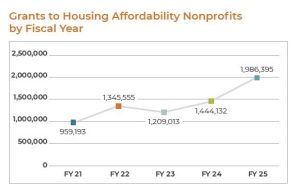
Since July 1, 2020, 208 fundholders have given a total of $8, 370,004 to housing nonprofits.
Even though our increased, deeper focus on housing affordability began less than two years ago, fundholders have been supporting housing for many years. Since July 1, 2020, the Foundation has distributed over $8.3 million in grants to approximately 40 dedicated housing nonprofits across the Triangle. Over 85% of the grant dollars were unrestricted general funding. This $8.3M investment in housing affordability organizations has been both from our donor-advised fundholders as well as Fund for the Triangle’s discretionary resources.
These funds empower organizations that build, preserve, and advocate for affordable housing in our neighborhoods. In the first full year of our Housing Affordability strategic initiative, housing affordability grantmaking increased by 49% over the previous fiscal year. This increase includes an over $400,000 investment of the Foundation’s own discretionary funds from Fund for the Triangle, including our first housing affordability grant program that provided 15 organizations with $25,000 in one-time, general operating support grants.
Where We're Going
Triangle Community Foundation is hosting What Matters on June 3, 2026. What Matters is the Triangle's largest philanthropic event of its kind and brings together people from all sectors in our region to celebrate community philanthropy, learn what it can take for everyone to thrive, and find commonality in our work. This event attracts more than 500 leaders dedicated to using their time, talent, and treasure to make our community a better place. In 2026, the event’s focus is on housing affordability, building on successful cross-sector convening activities in spring of 2025.
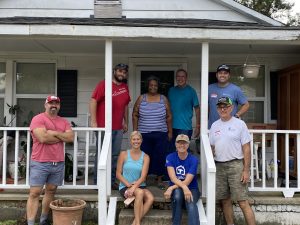
Photo: Preserving Home
From a funding perspective, we look forward to continuing to deploy financial resources in support of Triangle housing affordability organizations and efforts. Integrating the information gained from our first housing grant program in 2025, the Foundation will disburse over $1 million in grants over the next two fiscal years. The specifics of these grant programs and goals will be shared publicly in early fall 2026, but we anticipate that most of these funds will support our housing nonprofit partners in the form of general operating support grants. This approach moves supported organizations beyond project-by-project funding and focuses on long-term stability, innovation, and responding to immediate, on-the-ground crises. Overall, this trust-based approach to philanthropy builds more resilient organizations capable of sustained community impact.
As the Foundation reflected on how we can be most impactful on this issue, we considered different mechanisms to deploy philanthropic resources back into the community. Part of the last 18 months of conversations has included exploring our previous pilot impact investments and determining if we can develop a philanthropic product to use dollars twice to provide a new financial resource for nonprofits who need support as well as a social impact on housing affordability in the Triangle. While we aren’t ready to share explicit details, the community will soon receive a public update on strategic investments in housing affordability organizations directly in the Triangle through mechanisms other than grants.
What Can You Do?
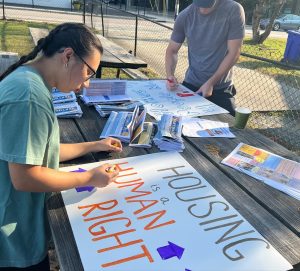
Photo: Marian Cheek Jackson Center
While we are proud of the work we have done, we know there is still much to do. The high cost of living is a barrier to the inclusive, thriving region we all want to see. This isn’t just about real estate or interest rates. It’s about the teacher who can’t live in the district where they work, the barista who commutes an hour to pour your coffee, and the families who fear that next month's rent will be the one they can't meet. As we continue to convene stakeholders and deploy critical funding, we invite you to join us in this effort.
Whether you are a donor looking to maximize your impact, a nonprofit partner working to support housing affordability in our region, or a community member who wants to learn more, there is a place for you in this conversation.
- Join Us for What Matters on June 3, 2026
- Learn more and support Fund for the Triangle, which helps support Triangle housing nonprofits as well as other nonprofit organizations working in our impact areas
